How Mortgage Regulation Affects Advisers in Practice

how-mortgage-regulation-affects-advisers-in-practice

Mortgage advice is a regulated profession in the UK. Regulation influences almost every part of a mortgage adviser’s role, from the information they gather and the recommendations they make to the records they keep and the training they complete.

For people considering a career in mortgage advice, regulation can sometimes sound complicated or restrictive. In reality, regulation exists to help ensure consumers receive suitable advice, understand the products they are choosing, and are treated fairly throughout the mortgage process.

Understanding how regulation affects mortgage advisers in practice provides a clearer picture of what the role actually involves day to day.

how-mortgage-regulation-affects-advisers-in-practice

What Is Mortgage Regulation?

Mortgage regulation is the framework of rules and standards that govern how mortgage advice is provided in the UK.

The main regulator is the Financial Conduct Authority (FCA). The FCA sets standards that firms and advisers must follow when advising customers about mortgages and related products.

The purpose of regulation is to create a fair, transparent, and trustworthy mortgage market. It aims to reduce the risk of unsuitable advice, improve consumer understanding, and ensure firms act responsibly.

Mortgage advisers do not simply recommend products based on personal opinion. They work within a regulated environment designed to put customer interests at the centre of the advice process.

Why Does Mortgage Regulation Exist?

Mortgage regulation exists primarily to protect consumers.

For many people, a mortgage is the largest financial commitment they will ever make. Choosing the wrong mortgage could have long-term financial consequences.

Regulation helps ensure that:

  • Customers receive clear information
  • Advice is based on individual circumstances
  • Risks are explained appropriately
  • Products are recommended for suitable reasons
  • Firms maintain professional standards
  • Complaints can be investigated fairly

Without regulation, consumers would have fewer protections and less confidence in the advice they receive.

The regulatory system helps create consistency across the industry while promoting trust between advisers and clients.

How Does Regulation Affect Mortgage Advisers Day to Day?

Regulation affects almost every stage of a mortgage adviser’s work.

Many people imagine advisers spend most of their time comparing mortgage rates. While product knowledge is important, a significant part of the role involves following processes designed to ensure recommendations are appropriate and properly documented.

Day-to-day responsibilities often include:

  • Gathering detailed client information
  • Understanding customer needs and objectives
  • Assessing affordability
  • Explaining options clearly
  • Documenting recommendations
  • Maintaining records
  • Completing ongoing training
  • Following firm procedures

Regulation shapes how these activities are carried out and helps ensure consistency across the advice process.

Mortgage adviser reviewing client information and affordability documents as part of the regulated mortgage advice process.

Why Do Advisers Need to Gather So Much Information?

One of the most visible effects of regulation is the amount of information advisers must collect from clients.

Before recommending a mortgage, advisers need to understand a customer’s circumstances thoroughly.

This may include:

  • Income and employment details
  • Existing financial commitments
  • Credit history information
  • Future plans and objectives
  • Deposit availability
  • Property details

Some clients are surprised by the number of questions involved. However, these questions are designed to help advisers understand the client’s situation and recommend products that fit their needs.

Without this information, it would be difficult to assess whether a mortgage is suitable.

Gathering detailed information is therefore a core part of regulated mortgage advice rather than an administrative exercise.

How Does Regulation Influence Mortgage Recommendations?

Regulation requires advisers to have clear reasons for the recommendations they make.

A mortgage recommendation should be based on the customer’s circumstances rather than personal preference or convenience.

When assessing options, advisers may consider factors such as:

  • Affordability
  • Interest rate structure
  • Product flexibility
  • Fees and charges
  • Mortgage term
  • Customer objectives

The goal is to identify products that meet the client’s needs while ensuring they understand how the mortgage works.

Regulation encourages advisers to focus on suitability rather than simply finding the lowest interest rate available.

A mortgage with a lower rate is not always the most appropriate solution if other features better match the client’s circumstances.

Why Is Record Keeping So Important?

Record keeping is a major part of working in a regulated profession.

Mortgage advisers are expected to maintain accurate records of:

  • Customer discussions
  • Information gathered
  • Recommendations provided
  • Supporting evidence
  • Key decisions made during the advice process

Good record keeping helps demonstrate why a recommendation was made and what information was considered at the time.

It also helps protect both customers and advisers if questions arise later about the advice provided.

Many people outside the industry underestimate how much documentation forms part of the adviser role.

While clients often see the meetings and recommendations, there is usually significant work taking place behind the scenes.

Mortgage adviser organising client records and documentation as part of the regulated mortgage advice process.

How Does Regulation Support Consumer Protection?

Consumer protection sits at the heart of mortgage regulation.

The regulatory framework aims to ensure customers are treated fairly throughout the mortgage process.

This includes helping consumers:

  • Understand products clearly
  • Make informed decisions
  • Receive appropriate recommendations
  • Access complaint procedures if needed
  • Understand costs and commitments

Mortgage advisers play an important role in delivering these protections.

Rather than simply arranging mortgages, advisers help customers understand important information and make decisions based on their circumstances.

This consumer-focused approach is one reason mortgage advice remains a regulated activity.

Does Regulation Affect How Advisers Communicate With Clients?

Yes. Regulation influences how advisers communicate with customers.

Information should be presented clearly and fairly. Advisers must avoid creating misunderstandings or giving incomplete explanations.

In practice, this means advisers often spend time discussing:

  • Product features
  • Risks and limitations
  • Costs and fees
  • Repayment obligations
  • Potential future changes

Good communication is an essential skill for mortgage advisers.

Regulation supports transparency by encouraging advisers to ensure customers understand the information they are receiving before making decisions.

What Ongoing Responsibilities Do Mortgage Advisers Have?

Regulation does not end once an adviser becomes qualified.

Mortgage advisers are expected to maintain professional standards throughout their careers.

Ongoing responsibilities may include:

  • Continuing professional development (CPD)
  • Keeping up with regulatory changes
  • Maintaining product knowledge
  • Following firm compliance procedures
  • Completing internal training
  • Demonstrating competence in their role

The mortgage market changes over time, and advisers are expected to keep their knowledge current.

This commitment to ongoing learning helps ensure consumers continue to receive informed and accurate advice.

Mortgage adviser completing professional development and regulatory training as part of ongoing industry responsibilities.

Does Regulation Make Mortgage Advice More Difficult?

Regulation can make the advice process more detailed, but its purpose is not to make life difficult for advisers or customers.

The additional processes are designed to support good decision-making and consumer protection.

Many advisers view regulation as a framework that helps maintain professional standards across the industry.

While compliance responsibilities form part of the role, they also contribute to the trust that consumers place in regulated mortgage advice.

For people considering a career in the sector, understanding and following regulatory requirements becomes a normal part of everyday working life.

How Does Regulation Affect Mortgage Advisers?

Mortgage regulation affects mortgage advisers by shaping how they gather information, assess customer needs, make recommendations, communicate with clients, maintain records, and develop their professional knowledge.

The regulatory framework exists to protect consumers and promote fair outcomes. Rather than being separate from the adviser role, regulation is woven into the daily activities that advisers carry out.

For aspiring advisers studying towards qualifications such as CeMAP, understanding regulation is an important part of understanding the profession itself. Mortgage advice is not simply about finding products. It is about helping customers make informed decisions within a structured and regulated environment that prioritises consumer protection, suitability, and professional responsibility.

Final Thoughts

Mortgage regulation is often viewed as a set of rules advisers must follow, but in practice it shapes how professional mortgage advice is delivered every day.

From gathering client information and assessing affordability to explaining recommendations and maintaining records, regulation influences the entire advice process. Its purpose is to help ensure consumers receive suitable advice, understand their options, and are treated fairly throughout their mortgage journey.

For those considering a career as a mortgage adviser, understanding regulation is an important part of understanding the profession itself. Successful advisers do more than compare mortgage products. They combine technical knowledge, communication skills, and professional responsibility to help clients make informed decisions within a regulated framework.

While regulation creates additional responsibilities, it also helps build trust in the advice process, benefiting both advisers and the customers they serve.

This works well because it summarises the key themes of consumer protection, professionalism, trust, and day-to-day impact without repeating the article word for word, while also giving AI Overviews and search engines a strong concluding summary.

Looking for training support?

We offer CeMAP training for learners working towards a career in mortgage advice. Our courses follow the London Institute of Banking & Finance syllabus and are designed to support understanding of mortgage regulation and advice requirements.

Explore our accredited CeMAP training courses

> Futuretrend Financial Training 

Why Now Is the Perfect Time to Train as a Mortgage Adviser

Why Now Is the Perfect Time to Train as a Qualified Mortgage Adviser

Over the past 15 years in the recruitment and mortgage sectors, I’ve witnessed first hand how the role of a mortgage adviser has evolved from a niche financial occupation into a dynamic, highly sought-after career. Today, as market complexities increase and consumer needs diversify, becoming a qualified mortgage adviser offers unprecedented opportunities for personal growth, professional satisfaction, and long-term career success. In this post, I’ll explore why now is the ideal moment to embark on this journey and how the thriving industry environment is creating a wealth of opportunities for new recruits.

Why Now Is the Perfect Time to Train as a Qualified Mortgage Adviser

A Changing Landscape: The Evolution of Mortgage Advising

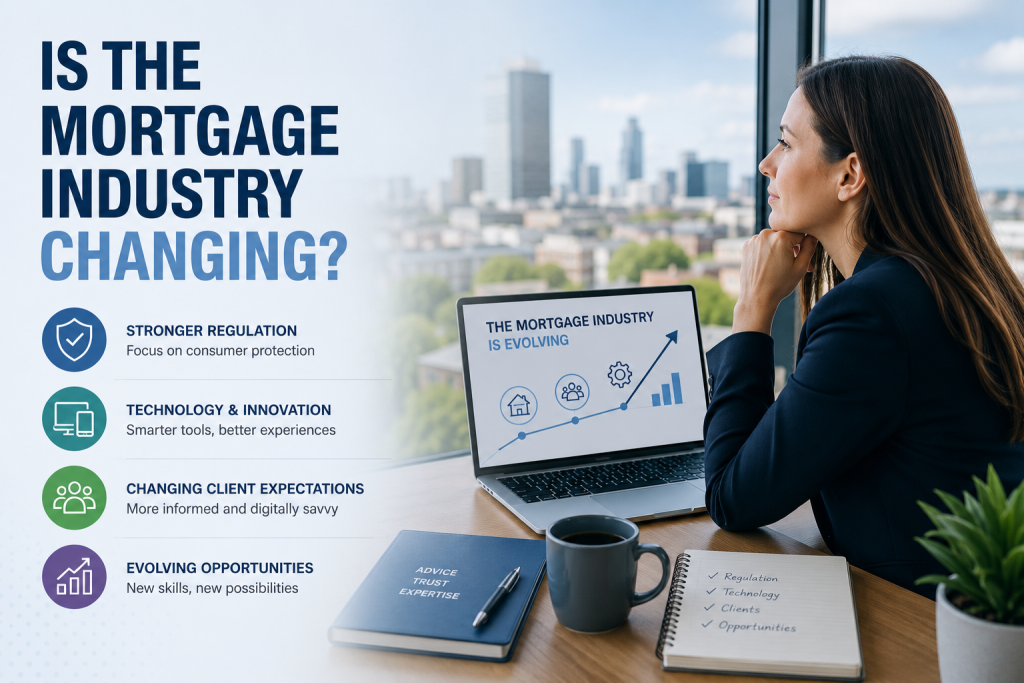
The mortgage industry has undergone dramatic changes over the last few decades. Shifting regulatory environments, evolving consumer expectations, and technological advancements have all contributed to transforming mortgage advising into a forward-thinking profession. Here are some key factors behind the current evolution:

  • Regulatory Changes: Governments and regulatory bodies worldwide have introduced new guidelines aimed at protecting consumers and ensuring the integrity of the financial system. These changes demand a higher level of expertise and ethical practice from advisers, making professional qualifications more valuable than ever.

  • Technological Advancements: With digital tools and automated platforms revolutionising the way financial services are delivered, mortgage advisers now have access to state-of-the-art technology that simplifies client interactions, enhances data analysis, and improves decision-making.

  • Market Complexity: The modern mortgage market is more complex due to a diverse range of products, fluctuating interest rates, and global economic influences. This complexity creates a vital need for advisers who can provide tailored advice and navigate the intricate landscape with confidence.

Why Now? The Perfect Convergence of Opportunity and Demand

High Demand for Qualified Professionals

One of the most compelling reasons to train as a mortgage adviser today is the high demand for qualified professionals. Lenders, banks, and independent firms are all actively seeking advisers who can bring both expertise and empathy to the table. Here’s why demand is booming:

  • Consumer Confidence: In times of economic uncertainty, people seek trusted experts to guide them through major financial decisions. Mortgage advisers offer the personalised advice and reassurance that many borrowers need.

  • Career Security: With an increasing focus on professional qualifications and ethical practices, the role of a mortgage adviser is becoming indispensable. This trend ensures that those who invest in their training now will enjoy long-term career stability and growth.

  • Industry Growth: The housing market continues to be a cornerstone of economic development. As new homebuyers enter the market and existing homeowners consider refinancing, the need for expert guidance grows. This steady demand translates into numerous job opportunities for those with the right credentials.

Exceptional Career and Financial Rewards

A career in mortgage advising is not just about financial rewards—it’s also about achieving a balanced, fulfilling lifestyle. The benefits include:

  • Competitive Earnings: Qualified mortgage advisers enjoy attractive compensation packages that can improve significantly with experience and reputation. Many professionals in this field have the potential to reach high earning brackets, especially those who choose to operate independently.

  • Flexibility and Autonomy: The role offers a unique blend of autonomy and flexibility. Whether you’re working within a large organization or as an independent consultant, you have the freedom to manage your time and develop your own client base.

  • Pathway to Entrepreneurship: For those with an entrepreneurial spirit, the mortgage advising industry offers a clear route to starting your own practice or consultancy. With the right training and network, you can transform your career into a thriving business.

Tax and Regulatory Changes

Recent changes in tax relief and stricter affordability tests have reduced profit margins for landlords. The removal of mortgage interest tax relief and the introduction of higher stamp duty rates on additional properties have made buy-to-let less attractive compared to previous years.

Personal Satisfaction and Impact

Beyond the financial and professional benefits, a career as a mortgage adviser is incredibly rewarding on a personal level. Here’s why:

  • Helping People Achieve Their Dreams: Few careers allow you to have such a tangible impact on someone’s life as mortgage advising does. Guiding clients through the process of securing a home loan—and ultimately their dream home—brings immense personal satisfaction.

  • Building Long-Term Relationships: Mortgage advising is as much about building trust and relationships as it is about numbers and rates. Many advisers form long-lasting bonds with clients, who often return for advice in subsequent financial ventures.

  • Continuous Learning: The role demands ongoing education and professional development. This constant evolution keeps the work stimulating and ensures that you are always at the forefront of industry trends and best practices.

The Role of Professional Training and Certification

A Stepping Stone to Excellence

Investing in quality training is the cornerstone of a successful career in mortgage advising. Professional training programs provide you with the technical know-how, ethical frameworks, and regulatory knowledge essential to excel in the field. Here’s what you can expect from a robust training program:

  • In-Depth Curriculum: Comprehensive courses cover mortgage products, lending criteria, risk management, regulatory compliance, and customer relationship management. This holistic approach ensures that you’re well-prepared to tackle any challenge.

  • Practical Experience: Many training programs incorporate real-world case studies, role-playing scenarios, and mentorship opportunities that simulate the day-to-day experiences of a seasoned mortgage adviser.

  • Certification and Credibility: Earning a recognised certification not only bolsters your resume but also enhances your credibility with clients and employers. In today’s market, credentials are more than just a formality—they’re a testament to your commitment and expertise.
LIBF

Continuous Professional Development

The learning doesn’t stop once you’re qualified. Continuous professional development (CPD) is critical in staying abreast of industry changes and furthering your career. Whether it’s through attending industry seminars, online courses, or joining professional networks, CPD ensures that you remain competitive and knowledgeable in an ever-evolving market.

Embracing the Joy of the Mortgage Advising Profession

The Human Element

At its core, mortgage advising is a people-centric profession. Every day, advisers have the opportunity to make a difference by providing clarity and guidance during one of the most significant financial decisions in their clients’ lives. This human element is what makes the profession so fulfilling:

  • Empathy and Communication: Great advisers are not just number crunchers—they are empathetic listeners who understand the personal stories behind every application. This human touch sets the stage for a rewarding professional journey.

  • Celebrating Milestones: Whether it’s the excitement of a first-time buyer or the relief of a successful refinancing, every milestone in the mortgage process is a moment of celebration that you get to share with your clients.

Building a Legacy

A career in mortgage advising also offers the chance to build a personal legacy. As you develop your expertise and reputation, you contribute to shaping the future of the industry. Many successful advisers eventually transition into roles such as trainers, consultants, or even authors and speakers, sharing their insights and inspiring the next generation of professionals.

Looking Ahead: The Future of Mortgage Advising

Market Resilience and Adaptability

The mortgage industry has demonstrated remarkable resilience in the face of economic fluctuations. As global financial landscapes shift, the core need for sound financial advice remains constant. This resilience is driven by:

  • Economic Cycles: While economic cycles influence market conditions, the fundamental need for homeownership and financial security persists. Mortgage advisers play a critical role in helping individuals navigate these cycles, making the profession indispensable.

  • Innovation and Technology: Advances in digital finance continue to reshape the industry. Innovative tools and platforms are making it easier to assess risk, streamline the application process, and deliver personalized advice. This integration of technology not only improves efficiency but also opens up new avenues for service delivery and client engagement.

  • Regulatory Confidence: Stricter regulations have increased the need for qualified professionals who can ensure compliance and protect consumer interests. As the regulatory landscape tightens, advisers with proper training and certification will be even more in demand.

Expanding Horizons: New Opportunities

The evolving nature of the mortgage industry is creating opportunities beyond traditional roles. As a qualified mortgage adviser, you may find opportunities in areas such as:

  • Specialised Lending: Areas like green mortgages, buy-to-let, and commercial lending are expanding. Specializing in one of these niches can set you apart and offer additional career prospects.

  • Financial Advisory Integration: Many mortgage advisers are branching out into broader financial advisory roles, offering clients holistic advice on personal finance, investments, and wealth management.

  • Consultancy and Training: With experience comes the opportunity to mentor new entrants. Transitioning into consultancy or training roles can be a rewarding way to give back to the industry while diversifying your income streams.

Making the Decision: Steps to Begin Your Journey

Assess Your Career Goals

Before diving into training, take a moment to reflect on your long-term career aspirations. Are you looking for a stable, rewarding career that combines financial acumen with interpersonal skills? If so, mortgage advising could be the perfect fit.

Research Training Programs

Invest in a reputable CeMAP training program that aligns with your career objectives. Look for courses that offer comprehensive curricula, practical experience, and recognised certification. Speak with current professionals in the field to get insights into the best programs available.

Ultimate Guide to Becoming a CeMAP Mortgage Adviser: Steps, Tips & Resources

Embrace a Growth Mindset

The mortgage industry is evolving rapidly. A willingness to learn, adapt, and embrace new challenges will be key to your success. Continuous professional development should be seen not as an obligation, but as an exciting opportunity to stay ahead in your career.

Network and Build Relationships

Leverage your time in training to build a robust professional network. Attend industry events, join professional associations, and connect with mentors. These relationships can provide invaluable support, insights, and opportunities as you progress in your career.

Celebrate Your Decision

Choosing to train as a mortgage adviser is not just a career decision—it’s a commitment to a path that offers personal fulfilment and professional growth. Embrace this decision with enthusiasm and confidence, knowing that you’re stepping into a role that is both impactful and resilient.

Final Thoughts: A Career with Endless Possibilities

In today’s fast-paced and ever-evolving financial landscape, the role of the mortgage adviser has never been more vital—or more rewarding. With high demand for qualified professionals, exceptional career and financial rewards, and the sheer joy of helping people achieve their dreams, there’s no better time than now to embark on this exciting career path.

As someone who has witnessed the evolution of this industry first hand, I can confidently say that training to become a qualified mortgage adviser is not just an investment in your career, but an investment in your future. The combination of professional growth, personal satisfaction, and the opportunity to make a real difference in people’s lives makes this a uniquely fulfilling career.

Are you ready to take the next step? If you have any questions about CeMAP training programs, career progression, or simply want to know more about the day-to-day realities of being a mortgage adviser, feel free to reach out. Your journey to becoming a trusted, impactful financial expert starts now—and the future looks brighter than ever.

I’d love to hear your thoughts. What aspects of mortgage advising excite you the most? Are there any specific areas you’d like more insights on? Let’s start a conversation about the bright future ahead for mortgage advisers!

Images Designed by Freepik (www.freepik.com) and AI